Correlated Parlays Done Right: The NFL Betting Edge Most Players Leave on the Table

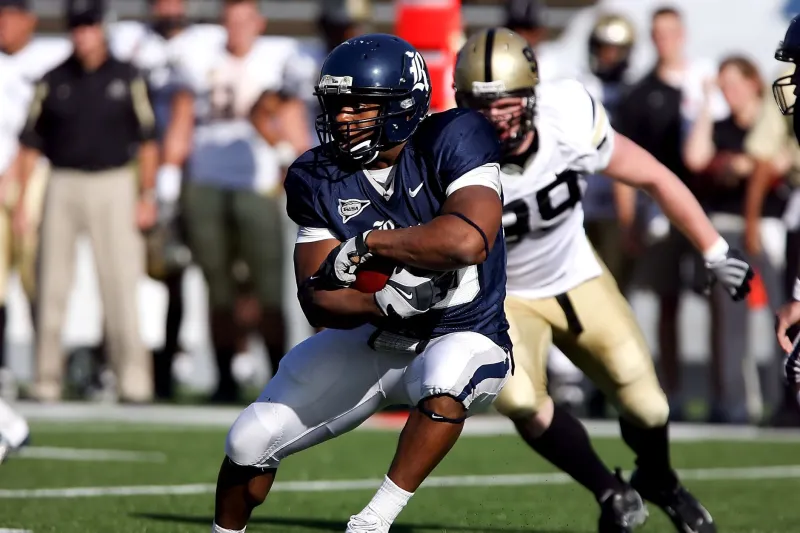
Photo by Photo by Patrick Ogilvie on Unsplash on Unsplash
Parlays have a terrible reputation among serious bettors, and honestly, most of the time that reputation is earned. Stringing together independent legs just multiplies your vig and gives the sportsbook a bigger slice of your money. The math is brutal.
But there's a version of parlay betting that flips that dynamic — and it's called a correlated parlay. When it's done correctly, it's one of the few bet structures in the US sports betting market where the odds you're getting actually undervalue the probability of winning. That's a real edge. The catch? Most bettors either don't know about it or are applying it backwards.
What "Correlation" Actually Means in Betting
Two outcomes are correlated when the probability of one happening changes the probability of the other. In regular parlay math, sportsbooks assume all legs are independent — like flipping separate coins. When that assumption is wrong, the pricing is wrong, and that gap is where your edge lives.
A simple example: if you parlay the over on a game's total with one of the teams' team totals, those two outcomes are not independent. A high-scoring game makes both more likely to hit. The sportsbook is (in theory) pricing each leg separately, but the actual combined probability of both hitting is higher than the independent math suggests.
That's correlation working in your favor.
Why Sportsbooks Don't Love This
Most major US sportsbooks have rules against "correlated parlays" — but their definition of the term is narrower than you'd think. They're mainly blocking the most obvious same-game parlay combinations: quarterback passing yards over combined with the game total over, for instance. Those get rejected outright on most platforms.
What they can't easily block is subtler correlation — the kind that comes from understanding game scripts, team tendencies, and situational football. That's where sophisticated NFL bettors are finding value.
Real NFL Examples That Actually Work
Game script correlation. Take a team that's a heavy favorite — say, the Eagles laying 10 points at home. If they jump out to a big lead, their running back is almost certainly going to get a heavy workload in the second half as they run clock. Parlaying the Eagles -10 with that running back's rushing yards over is a correlated play. One outcome feeds the other. The sportsbook prices those legs independently; reality says they're linked.
Weather-driven totals and rushing props. When a late-November game in Green Bay or Chicago gets a forecast for 25 mph winds and temperatures in the teens, the total drops — but individual rushing props sometimes don't adjust as aggressively. A team going under in a weather game is often doing it through a ground-heavy offensive approach. Parlaying the under with both teams' rushing totals overs can capture that correlation.
Blowout-driven second-half props. If a team is a massive favorite and you're betting them on the spread, their backup quarterback or third-string running back gets garbage time reps in lopsided wins. Props tied to those players — especially passing attempts or receiving yards for pass-catching backs — can correlate with a big spread cover.
The Mistakes That Kill These Bets
Here's where most bettors go wrong, even when they understand the concept.
Forcing correlation that isn't there. Not every parlay involving related teams is correlated in a meaningful way. If you're parlaying a quarterback's passing yards over with the game total over, that's the obvious play everyone's trying — and it's the one that's most likely to already be priced in or blocked outright. The value in correlated parlays comes from subtle relationships, not the first one that comes to mind.
Ignoring line movement. If a prop line has already moved significantly in the direction of your correlated thesis, the edge may already be gone. You're not the only sharp in the market. Always check where a line opened versus where it sits now before committing.
Overloading the parlay. Adding extra legs to a correlated core bet doesn't extend the edge — it dilutes it. The moment you start adding uncorrelated legs to capture a bigger payout, you're back to standard parlay math working against you. Two or three legs maximum, and every one of them should serve the correlation thesis.
Betting the wrong platform. Some sportsbooks are better than others for same-game parlays and cross-market parlays. FanDuel and DraftKings have the deepest SGP markets, but their correlation detection is also most aggressive. Smaller books sometimes allow combinations the big two won't touch.
A Framework for Finding Correlated Value
Before you lock in any correlated parlay, run it through these questions:
- What's the game script? Who's expected to be ahead, and how does that change how both teams play?
- What conditions amplify the correlation? Weather, injury reports, and referee tendencies all matter.
- Is this correlation obvious or subtle? If it's the first thing you thought of, the book probably thought of it first.
- Has the line moved to reflect this? Check opening lines on both legs.
- Am I adding legs that serve the thesis or just chasing a bigger number? Be honest.
The Bigger Picture
Correlated parlays aren't a magic button. They require real handicapping work, knowledge of team tendencies, and the discipline to walk away when the setup isn't there. But they represent one of the few places in the NFL betting market where a retail bettor can build genuine structural edge — not just get lucky.
The books know this exists. The good ones are constantly tightening what they'll accept. That's all the more reason to understand it now, while the market still has gaps worth exploiting.