How to Bet the NFL All Season Long: A Week-by-Week Playbook for Finding Real Value
Betting the NFL isn't a one-size-fits-all game. The guy who crushes it in September using preseason power rankings and fresh injury reports is often the same guy who bleeds money in December because he never adjusted his approach. The league changes. The rosters change. The weather changes. And crucially, the sportsbooks change — constantly reacting to public money in ways that create real opportunities for bettors who know where to look.
This is your season-long playbook. Not just tips, but a framework for thinking about NFL betting the way sharp players do — week by week, situation by situation.
Early Season (Weeks 1–4): Uncertainty Is Your Friend
The opening weeks of the NFL season are a goldmine for value — if you approach them correctly. Oddsmakers are working with limited data. Preseason performance is notoriously misleading, and the books know it. Lines in September are often set more on reputation and public perception than on actual current-year information.
This is when sharp bettors hammer a few specific angles:
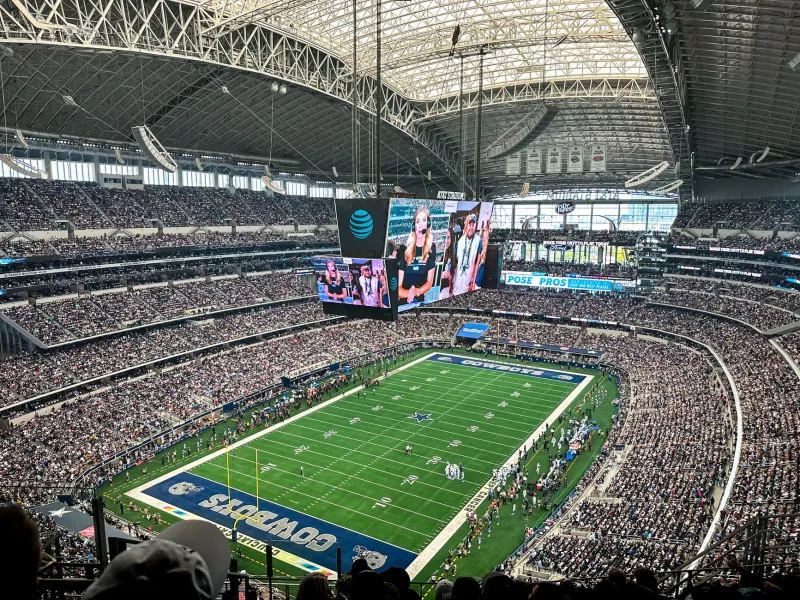
Fading public darlings: Teams like the Cowboys, Patriots (even in their post-dynasty years), and any team coming off a Super Bowl appearance attract massive public betting interest. The books shade lines against these teams early in the year because they know casual fans bet the brand, not the matchup. When the public is piling on a popular team giving 7.5 points, there's often value on the other side.
Totals over spreads: Early in the season, offensive systems are still gelling, and defensive schemes are being installed. Scoring can be wildly unpredictable. Experienced bettors often prefer totals in early weeks because there's less reliable data to anchor spread predictions.
Small sample size discipline: Don't overreact to Week 1. A 38-3 blowout tells you something, but not as much as it feels like it does. The worst thing you can do is dramatically shift your power ratings after one game. Stay patient.
Mid-Season (Weeks 5–10): The Injury Market Opens Up
By mid-season, the injury picture starts getting complicated — and this is where the real edge lives for bettors who do their homework.
The NFL's injury report system is public, but most casual bettors don't know how to read it. Here's the key insight: practice designations matter more than game-day status. A quarterback listed as "limited" in Wednesday and Thursday practice who upgrades to "full" by Friday is almost certainly playing and probably healthy. A star receiver who misses Wednesday and Thursday entirely and is listed as questionable Friday is a genuine game-time decision — and the line may not fully account for the uncertainty.
Sharp bettors track practice reports daily and compare them against line movement. If a line moves two points toward one team despite no obvious news, it often means sharp money has information about an injury situation before it's officially reported. Chasing that line movement — not blindly, but as a signal — is a legitimate strategy.
The backup quarterback effect is also massively underpriced by the public. When a starting QB goes down, books typically adjust the spread by 3–7 points. But depending on the backup, the offensive system, and the opponent, the real adjustment should sometimes be larger. Do your research on backup quarterbacks before the season, not after the injury happens.
Late October Through November: Weather Starts Mattering
Once you hit late October, outdoor stadiums in cities like Green Bay, Chicago, Buffalo, Cleveland, and Kansas City can see game-changing conditions. Wind is the most important variable — and the most underused by recreational bettors.
Here's the framework sharp totals bettors use for wind:
- Under 10 mph: Negligible effect, ignore it.
- 10–20 mph: Minor impact on deep passing games, slight lean toward the under.
- 20–30 mph: Significant impact. Quarterbacks with shorter release windows and running-heavy offenses gain a real advantage. Totals should be adjusted down.
- Over 30 mph: These are the games where you aggressively look at the under and consider fading any team built around a vertical passing attack.
Precipitation matters too, but wind is actually more predictive of scoring suppression than rain or snow. A cold, calm 28-degree day in Buffalo plays more like a dome game than a 45-degree, 25 mph wind game in Chicago.
Line shopping is critical here. Weather-adjusted totals move fast once forecasts lock in. Get your number before the public notices the forecast.
Weeks 12–15: Vegas Overreactions and the Revenge Game Trap
This stretch of the season is where sportsbooks and the public both tend to overreact — and where some of the juiciest values emerge.
After a team gets blown out by 30 points, the public hammers them the following week. The books know this and shade the next opponent's spread to account for public money. Often, the blown-out team is a better bet than their number suggests — especially if the blowout came against an elite defense and they're now facing an average one.
Avoid the revenge game narrative. This is one of the most overrated concepts in sports betting. Yes, teams sometimes play with extra motivation after a previous loss to the same opponent. But the public overvalues this narrative constantly, and books price it in accordingly. If everyone's talking about a revenge game, the value is usually on the other side.
Watch for schedule spot traps: Teams coming off emotional wins or divisional battles playing a short week (Thursday Night Football) against a rested opponent are in a genuinely disadvantaged spot. The public often ignores schedule context and keeps backing the team that looked great the week before. That's your fade opportunity.
December and Playoff Push: Motivation Is Everything
The final month of the regular season introduces a variable that doesn't exist earlier: teams actively tanking or resting starters. This is the most dangerous period for casual bettors and the most profitable for sharp ones.
Teams that are eliminated from playoff contention in December have no rational incentive to play their best players. Lines don't always reflect this adequately — especially if those teams still have marketable stars who attract public betting interest.
Conversely, teams fighting for seeding in the NFC or AFC are often undervalued when they're facing a team that's already locked into a playoff spot and resting starters. The line might be close to pick'em when the actual competitive imbalance is massive.
Track the playoff picture every week in December. It's not just about who's in or out — it's about who has something to play for and who doesn't.
The Meta-Strategy: Line Shopping All Season Long
None of this works as well as it should if you're only using one sportsbook. Sharp bettors have accounts at multiple books — DraftKings, FanDuel, BetMGM, Caesars, and others — because even a half-point difference in a spread or a few cents difference in a moneyline adds up to real money over a full season.
At FreeBetting.net, we track odds across major US sportsbooks so you can find the best number before you pull the trigger. That's not a small thing. Getting +3.5 instead of +3 on a key number wins you extra bets you would have pushed or lost. Over a full 18-week NFL season, that's the difference between a winning record and a breakeven one.
The NFL rewards bettors who adapt. Stay flexible, stay disciplined, and always be asking the same question the sharps ask: where is the market wrong this week?